This year’s theme, Preserving Our Legacy: The Power in the Stories We Carry, centers the belief that legacy is not only preserved in history books or institutions—it lives in the stories we carry and share. Educators, students, and communities hold powerful narratives that reflect struggle, resilience, joy, and growth. These stories help us understand identity, build collective purpose, and spark transformational change—critical components of an equitable public education system and a healthy democracy.
Ticket Costs:
Educator/Student In-Person: $85 - (Price includes access to virtual opening session on October 3rd, in-person access on October 4th, breakfast, lunch, and snack.)
Non-Educator/Student In-Person: $100 - (Price includes access to virtual opening session on October 3rd, in-person access on October 4th, breakfast, lunch, and snack.)
Virtual: $75
Donation Ticket for Educator/Student: $85 -(Price includes access to virtual opening session on October 3rd, in-person access on October 4th, breakfast, lunch, and snack.)
Keynotes/Speakers: Visit the site each week to see the list of leading experts who will join us for this event!

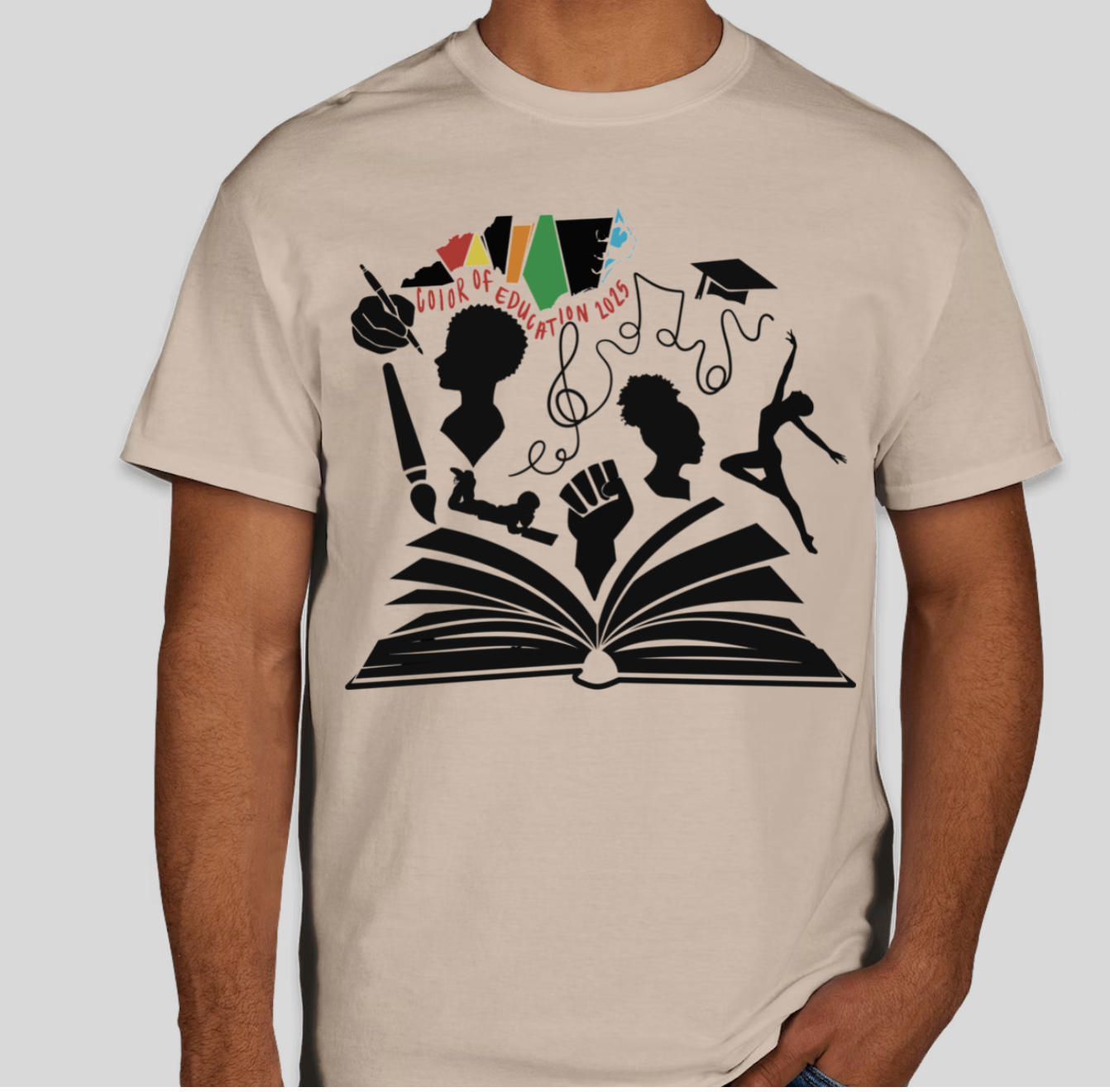
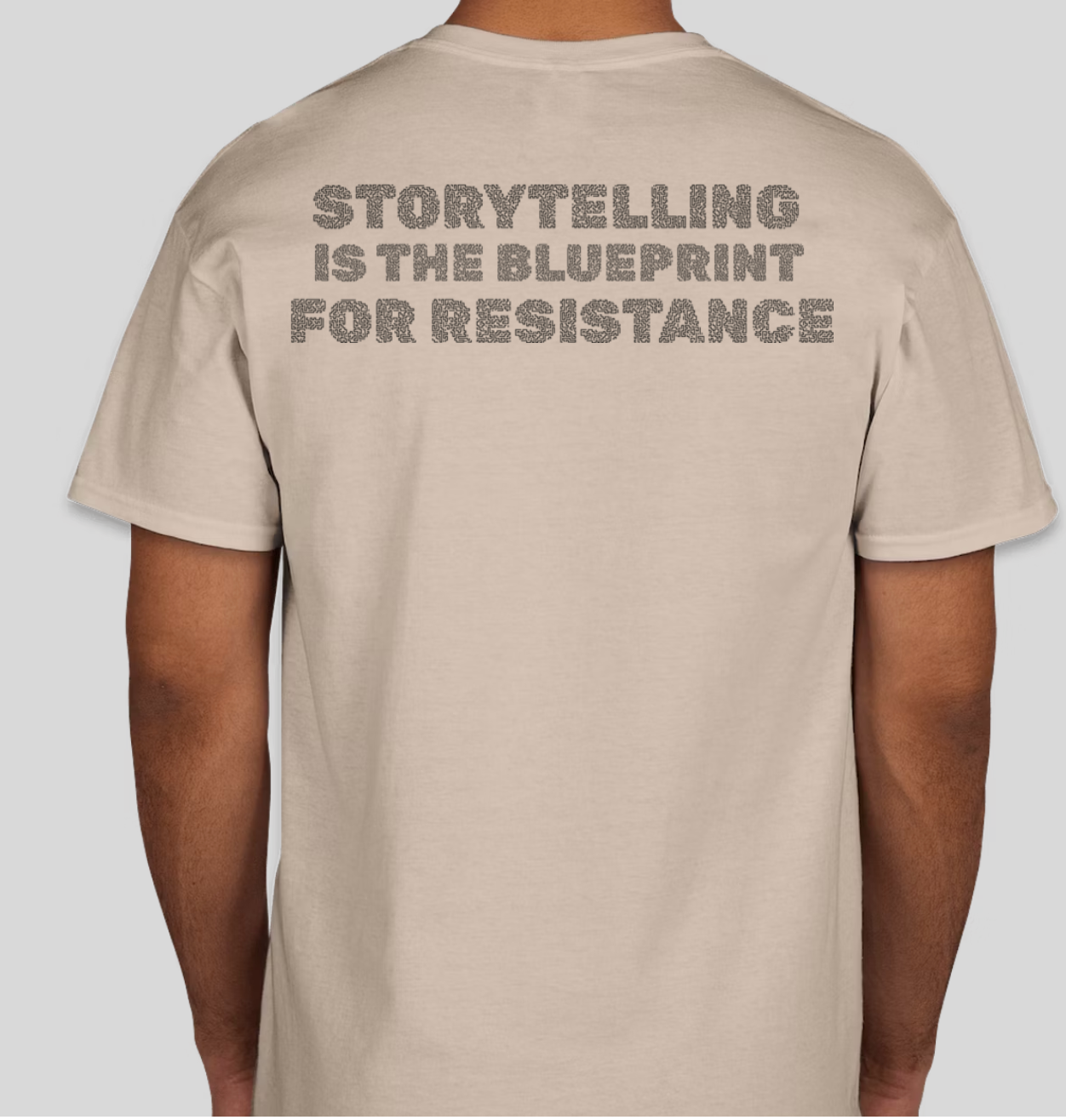
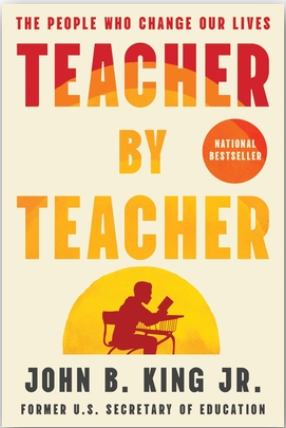
Pre-order copies of books by the keynotes from the official Color of Education book vendor: https://flyleafbooks.com/list/2025-color-education-summit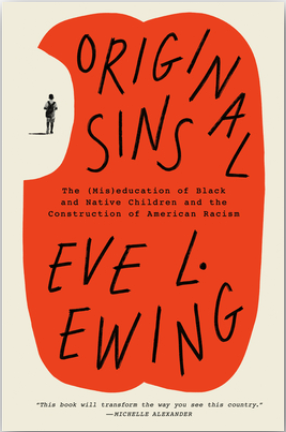

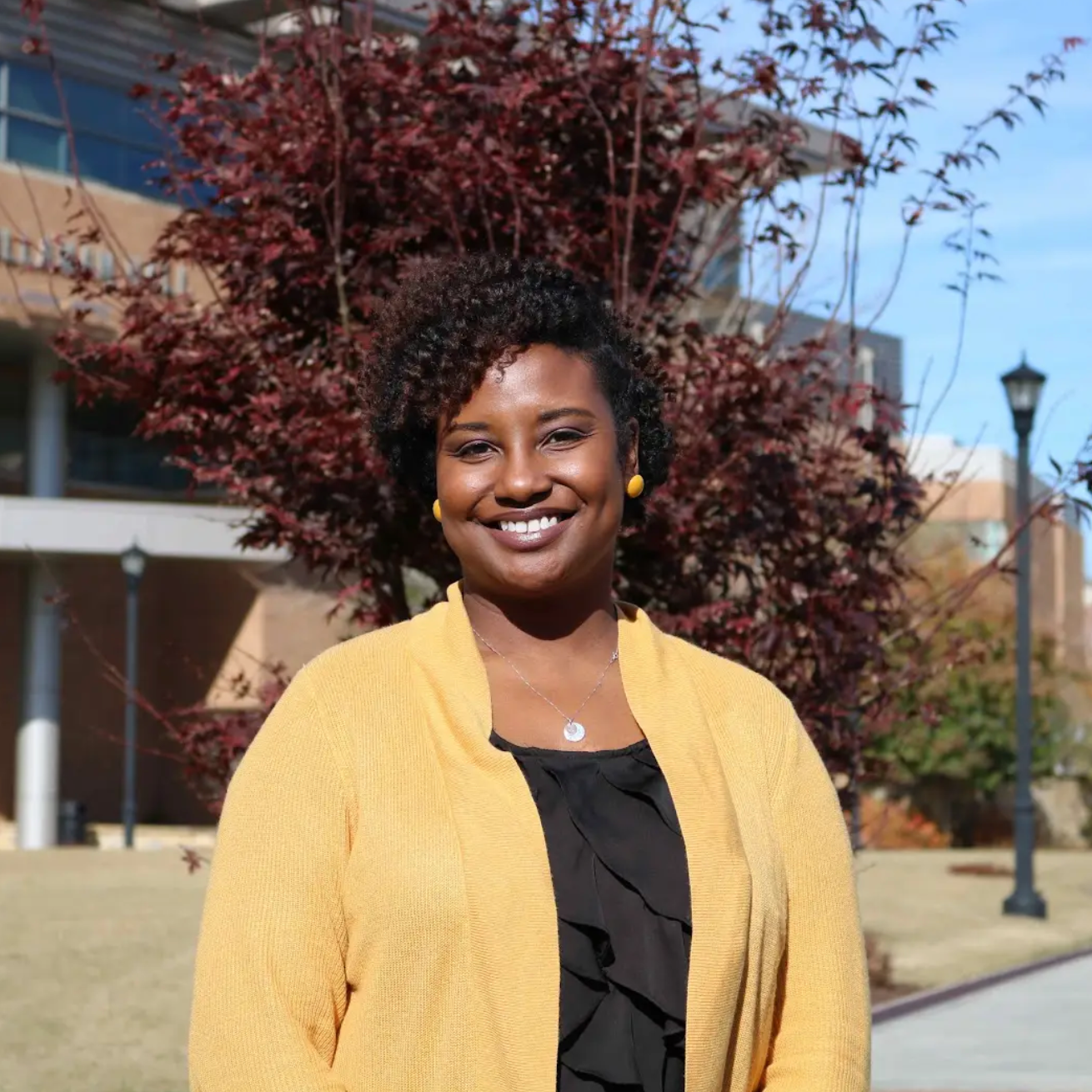
This session examines how marginalized pre-service teachers (mPSTs)—specifically those who identify as black, indigenous or person of color (BIPOC) teacher candidates at a Historically Black College and University—develop digital competence and epistemological beliefs in the context of systemic educational inequities. Drawing from a multimethod dissertation study, the session explores how mPSTs’ lived experiences, access to technology, and cultural identity shape their beliefs about teaching with digital tools and their readiness to integrate technology in future classrooms.
Guided by the concept of how marginalized pre-service teachers’ epistemic beliefs and lived experiences influence their development of digital competence, this study employs the SELFIEforTEACHERS assessment (DigCompEdu framework) and critical narrative inquiry to foreground voices often excluded from digital pedagogy discourse.
Purpose:
To explore how belief systems and institutional barriers impact mPSTs’ digital learning trajectories—and how this understanding can inform equity-focused teacher preparation.
Key Takeaways:
- Understand how epistemic beliefs and digital self-perceptions intersect for marginalized pre-service teachers.
- Identify how the digital divide manifests as more than access—encompassing skill gaps, representation, and epistemic marginalization.
- Consider actionable strategies for embedding culturally sustaining, justice-driven digital competence development in teacher education programs.
This session offers practical and conceptual tools for reimagining teacher preparation through the lens of digital equity and epistemic inclusion.
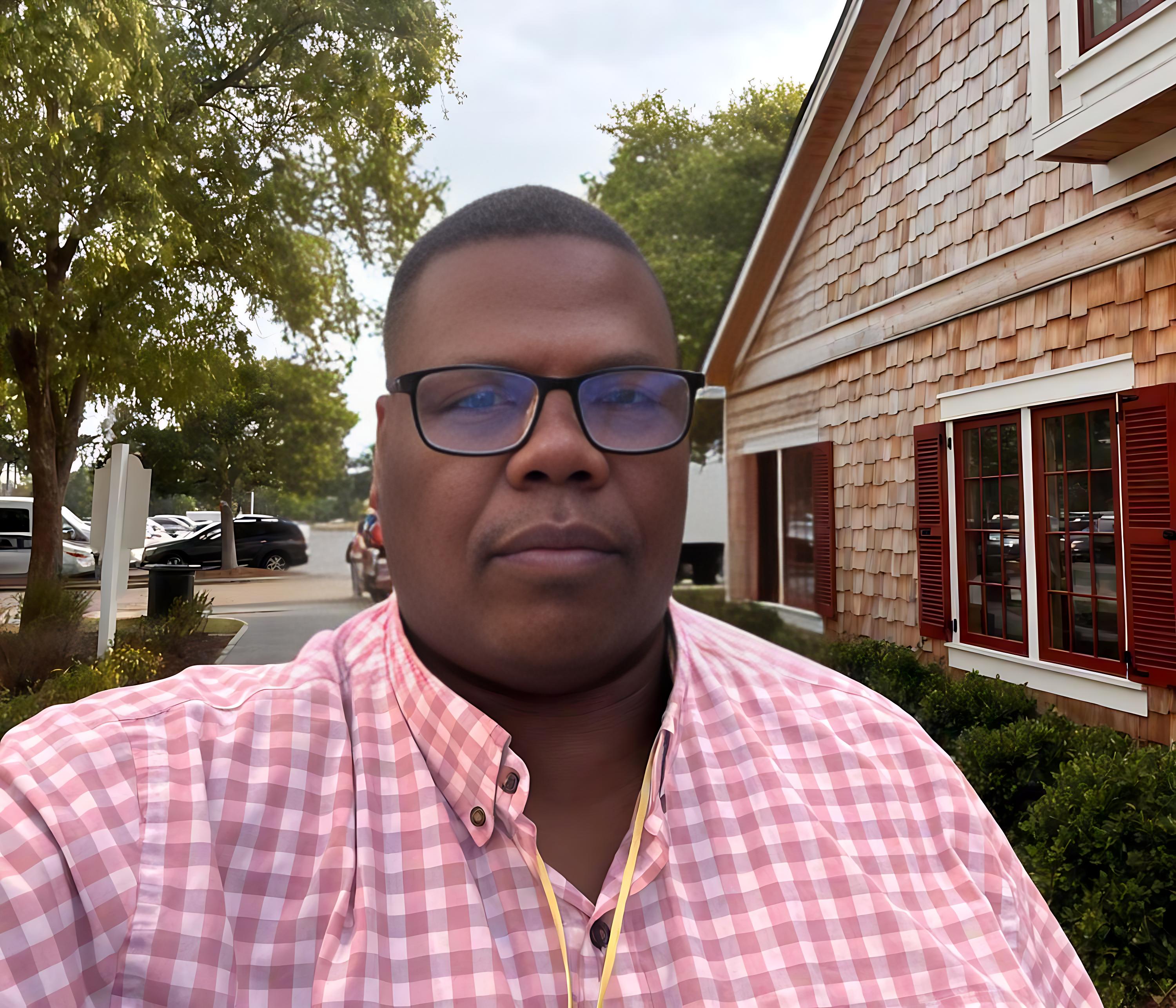
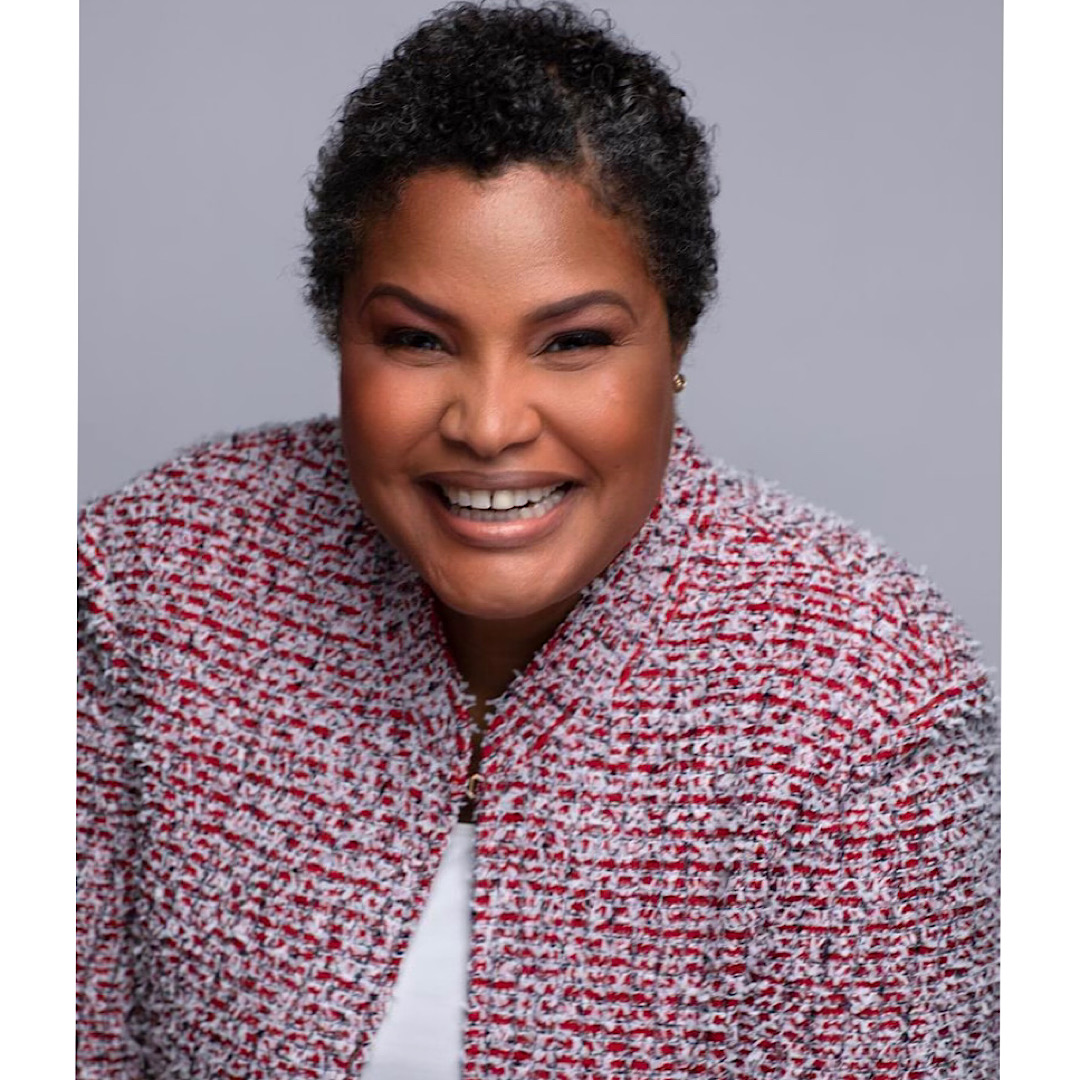



Stories shape how we see the world—and how the world sees us. For Black women, media narratives have too often been defined by stereotypes, omissions, and distortions that impact how they are perceived in classrooms, workplaces, and communities. This session explores the influence of television as a cultural storyteller and its role in shaping perceptions of Black women’s intelligence, professionalism, and worth.
Participants will critically examine how common portrayals—such as the “strong but detached leader” or the “overly ambitious professional”—impact both public perception and self-identity. By connecting these narratives to the lived experiences of Black women in education, the session highlights how storytelling affects leadership, learning, and legacy.
Through discussion, reflection, and analysis of familiar television examples, attendees will:
- Unpack how media representations of Black women influence educational spaces.
- Explore the power of narrative ownership in preserving identity and legacy.
- Learn how media literacy can be a tool for critical thinking, empowerment, and healing.
Ultimately, this session invites educators, leaders, and community members to challenge damaging scripts and amplify authentic voices. Rewriting the script is not only about resisting stereotypes—it is about preserving truth and ensuring future generations see themselves fully reflected.
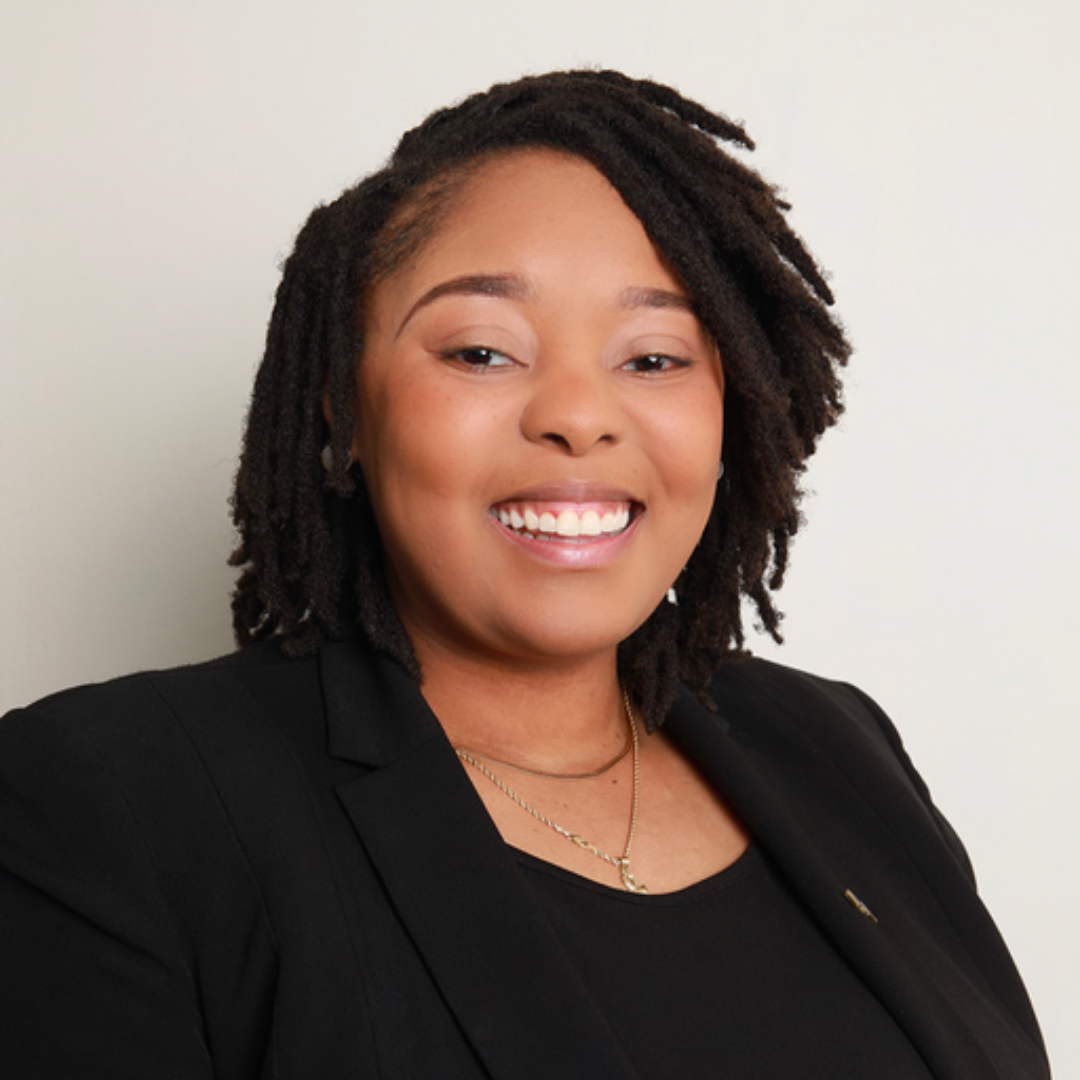
While “anti-woke” rhetoric has informed curriculum policy in public schools across the country since 2020, the second Trump Administration has spearheaded the unprecedented removal, rewriting, and censorship of educational and archival sources pertaining to Black and other marginalized histories. Therefore, at the intersection of education, family history, memory, and storytelling, “Baobab: Carrying Our Stories into the Future By Making Family History Books” offers Family History Books (FHBs) as a creative project for marginalized communities, particularly of color, to preserve our histories, learn ourselves, and teach each other. Cognizant of our shrinking educational spaces, this presentation asserts that the stories we preserve of our own accord are just as, if not more, powerful in the pursuit of a more equitable future.
Join this session for an overview tracking the history of “anti-wokeness” in the United States, as well as how Family History Books serve as a remedy to help us weather this storm, during the first half. In the second half, follow along an in-depth, practical, and interactive workshop outlining the steps to developing a Family History Book of your own. Participants will learn the basics of conducting genealogical research; crafting long-form written works blending the familial, personal, and scholarly; organizing an FHB; and imagining their research as an art form. Participants should come excited about family history: perhaps you come with a name, location, date, photograph, oral history, or even just an idea to bring the FHB framework to life in your own communities.


How can we elevate our stories as a practice of liberation?
This interactive session invites educators and leaders to explore journey mapping as a reflective and transformative tool for liberatory leadership. Grounded in the belief that we cannot teach or lead for equity without interrogating our own stories, this workshop creates space to surface the personal experiences, identities, and relationships that have shaped our commitments to justice.
Participants will engage in a hands-on process of creating visual journey maps — drawing or writing the pivotal moments, people, and places that led them to this work. Using Equity Stances as a guiding framework, participants will then annotate their maps to deepen awareness of how their lived experiences inform their leadership practices.
The session will include opportunities for personal storytelling, partner sharing, and collective reflection
Participants will leave with:
-
A personalized journey map connecting self to leadership
-
A deeper understanding of how equity stances show up in practice
-
Tools to foster reflective leadership and storytelling in their own spaces
-
A sense of connection, clarity, and community with fellow educators
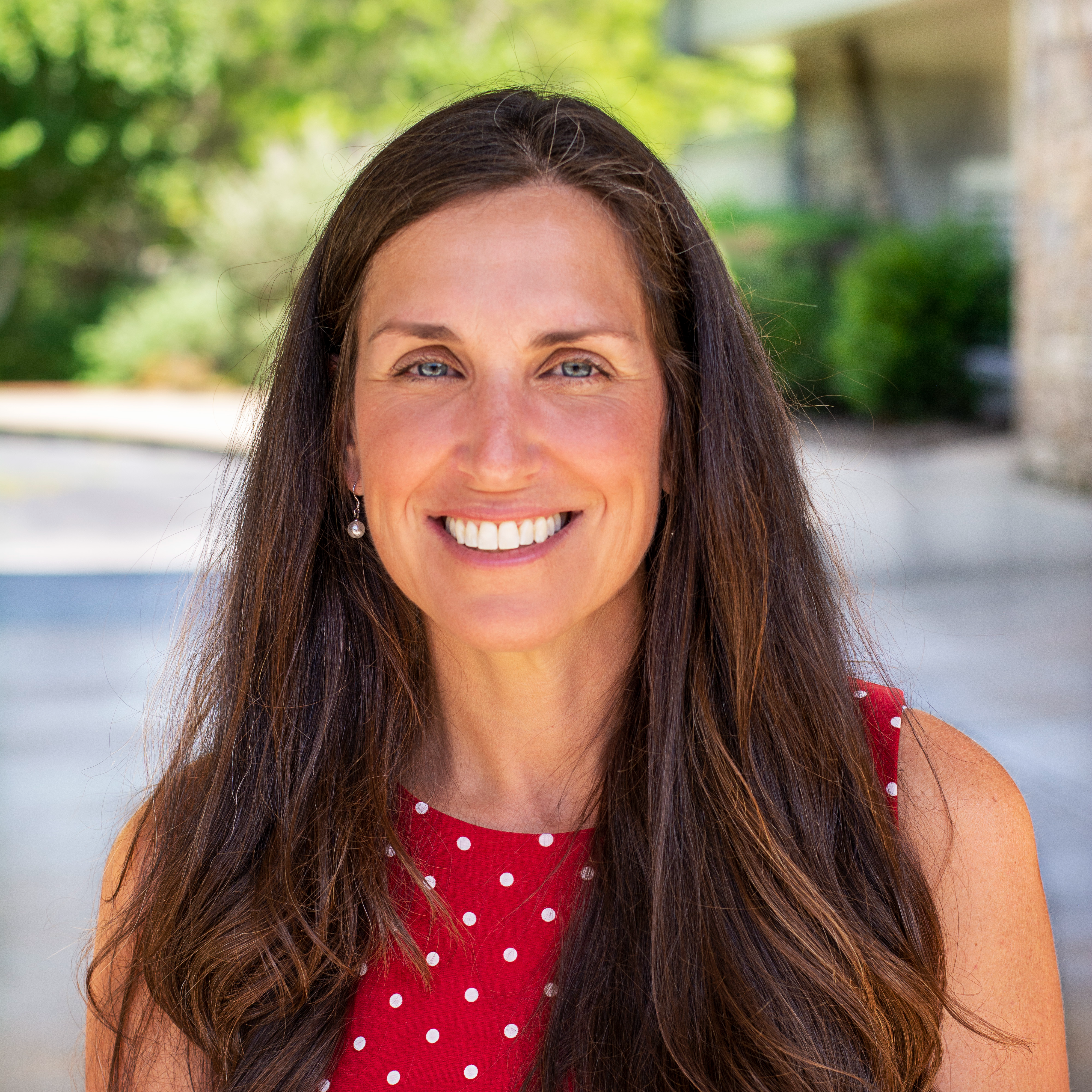
From the griots of West Africa to today’s classrooms, storytelling has always been a tool for preserving legacy and sparking transformation. In this session, BIPOC educators will share powerful personal narratives that illuminate the intersections of identity, wellness, and equity. Participants will then engage in interactive storytelling circles and use the Story-to-Systems Framework to connect their own stories to actionable changes in curriculum, leadership, and school culture.
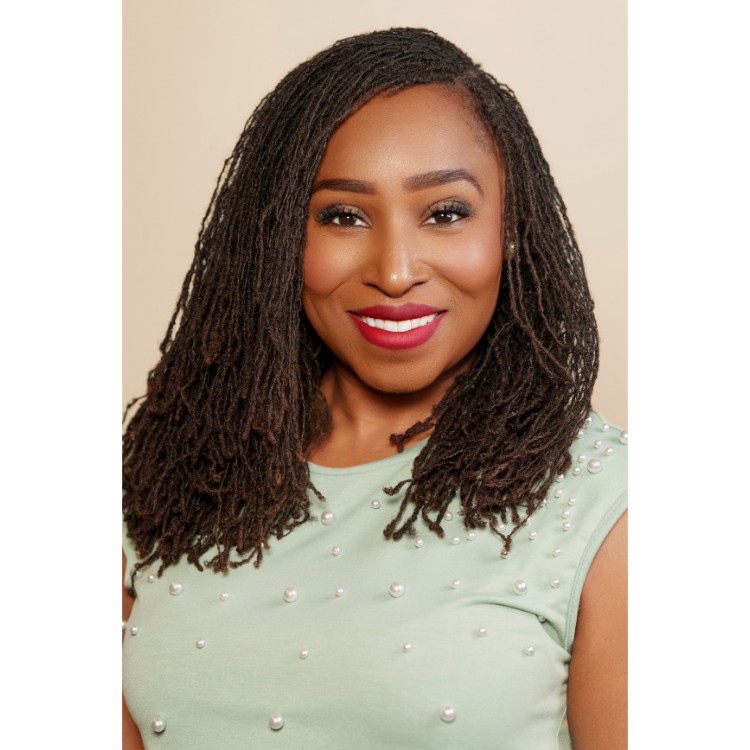
Drawing from our book Teaching Storytelling in Classrooms and Communities: Amplifying Student Voices and Inspiring Social Change, you will be introduced to the foundations of social impact storytelling. We will dive into the science of storytelling and explore strategies for maximizing civic engagement and social impact, including rhetorical strategies, the value of showing versus telling, and framing and consensus-building techniques to maximize your story’s reach and resonance.
You will gain hands-on experience with storytelling pedagogy, narrative structure, ethical considerations, and ready-to-use formats like the public narrative. Through interactive story building exercises, you’ll practice techniques for moving audiences from awareness toward sustained individual and collective action. You can expect to leave equipped with the confidence and tools to build and share stories that call the public to action and inspire real-world change in your community and beyond.
Practical Applications: By the end of this workshop, you will:
- Identify the foundational components for creating compelling and ethical social impact stories
- Apply storytelling strategies to raise awareness and inspire action about the social justice issues you care about
- Leave with practical tools to integrate teaching in their school, advocacy, or community work
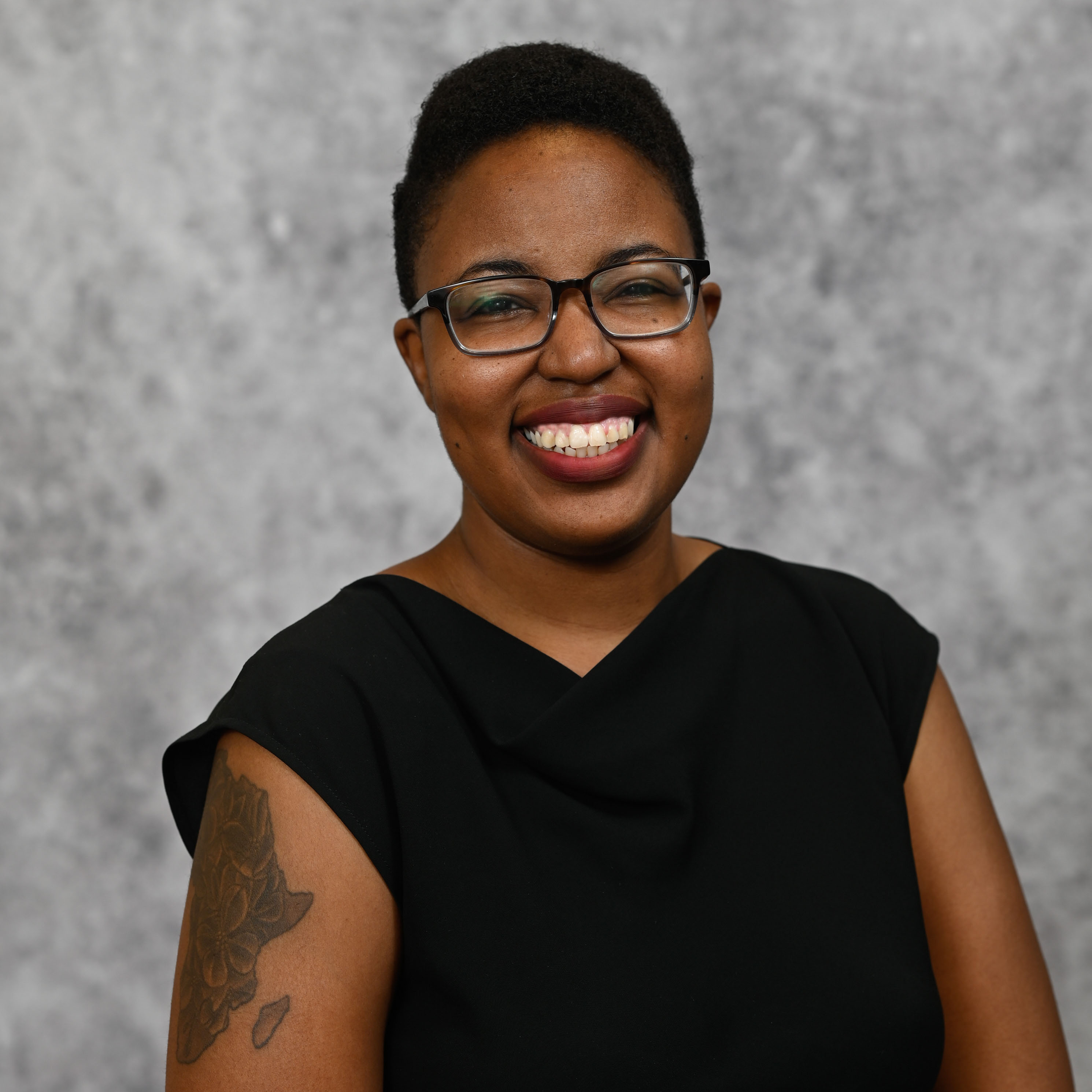
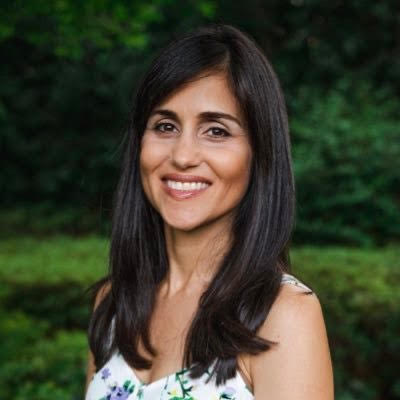
This interactive workshop introduces educators and community leaders to Africa to Carolina, a statewide initiative led by the North Carolina African American Heritage Commission that identifies, documents, and commemorates the sites of disembarkation of enslaved Africans in North Carolina. Rooted in descendant community engagement, public history, and truth-telling, the initiative aims to ensure that North Carolinians confront the enduring legacy of slavery while honoring the resilience of African-descended people.
Facilitated by Africa to Carolina collaborators Cori Greer-Banks, Dr. Laura Cox, and Dr. Shafantae Desinord, this workshop will equip participants with place-based, culturally responsive strategies to implement the initiative’s goals within their classrooms, schools, or community programs. Participants will engage directly with primary sources, mapping tools, and sample lessons that center descendant voices and highlight sites of historical significance—transforming abstract history into local, tangible learning experiences. The facilitators will also share insights from partnerships with schools, museums, and cultural sites working to tell the full truth of North Carolina’s role in the transatlantic slave trade.
Aligned with the summit’s theme—"Preserving Our Legacy: The Power of the Stories We Carry"—this workshop empowers participants to honor and teach the difficult truths of our shared past while fostering identity, belonging, and justice in today’s learning spaces. Attendees will leave with ready-to-use resources, a deeper understanding of Africa to Carolina, and inspiration to lead honest conversations that elevate the stories of African-descended North Carolinians—past and present.
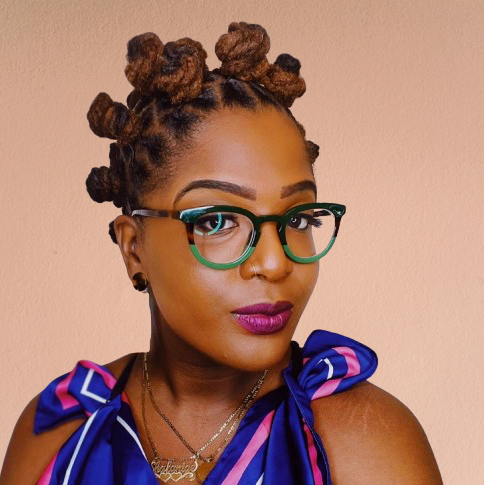
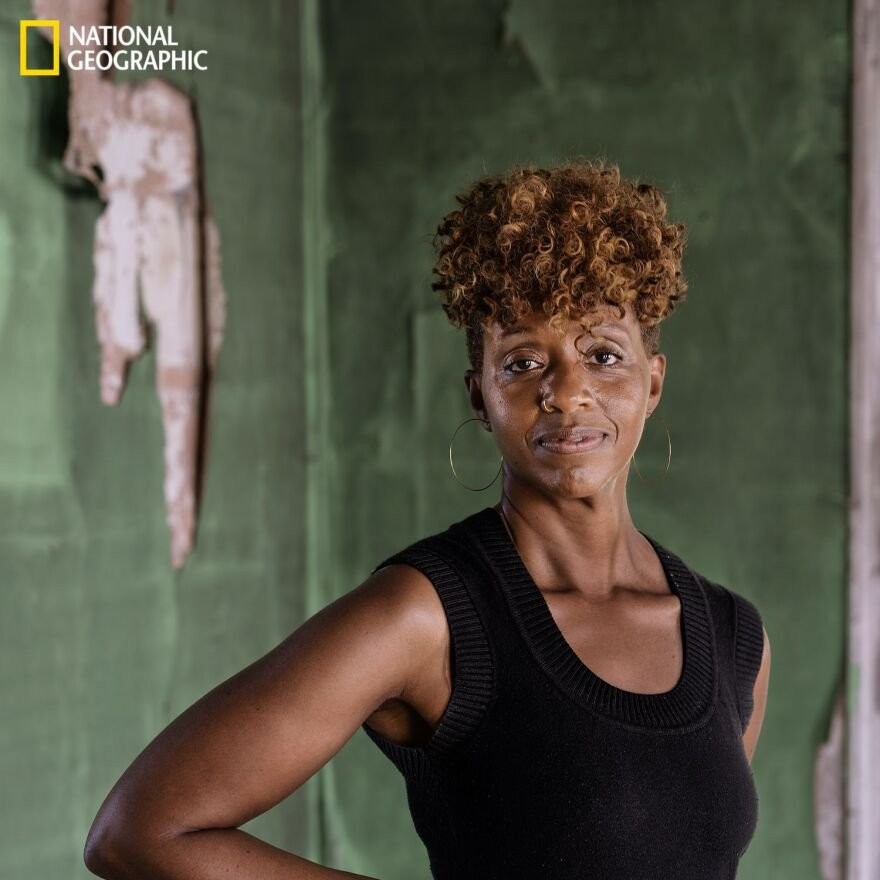
History is more than a record of the past; it is a tool for repair, healing, and liberation. In this session, National Geographic Explorer and Greenwood descendant Kristi Williams shares how reclaiming erased narratives restores dignity and power to Black communities. Drawing from her work with Black History Saturdays and the historic Vernon A.M.E. Church one of the only surviving structures from the 1921 Tulsa Race Massacre. Kristi explores how storytelling, archaeology, and intergenerational education function as acts of repair.
Participants will discover how telling the truth about Black history counters erasure, builds stronger communities, and inspires the next generation to thrive. Through lived experience, historical context, and strategies for action, Kristi demonstrates that the story itself is the repair and when we center our stories, we create pathways toward equity, healing, and justice.
This interactive workshop invites participants to analyze education policy through an equity lens, using North Carolina’s grading policy (GRAD-009) as a case study. Together, we will examine how policies—though often seen as neutral—reflect deeper values, assumptions, and power dynamics that shape student experiences and outcomes. Activities include collaborative policy unpacking, small-group dialogue, and guided reflection. Participants will leave with a practical framework, tools for applying critical questions in their own contexts, and strategies to recognize both the intended and unintended impacts of policy on equity and opportunity.
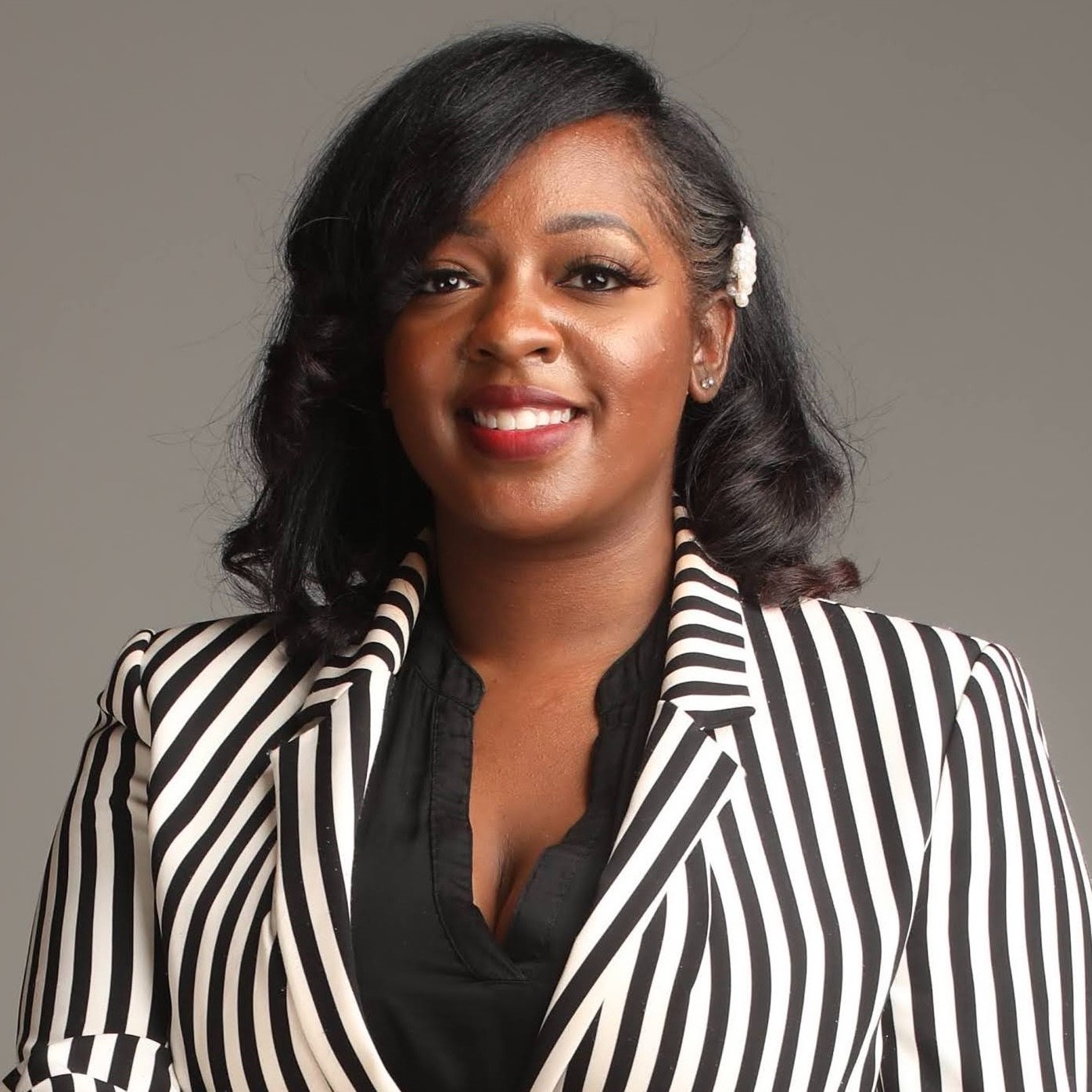
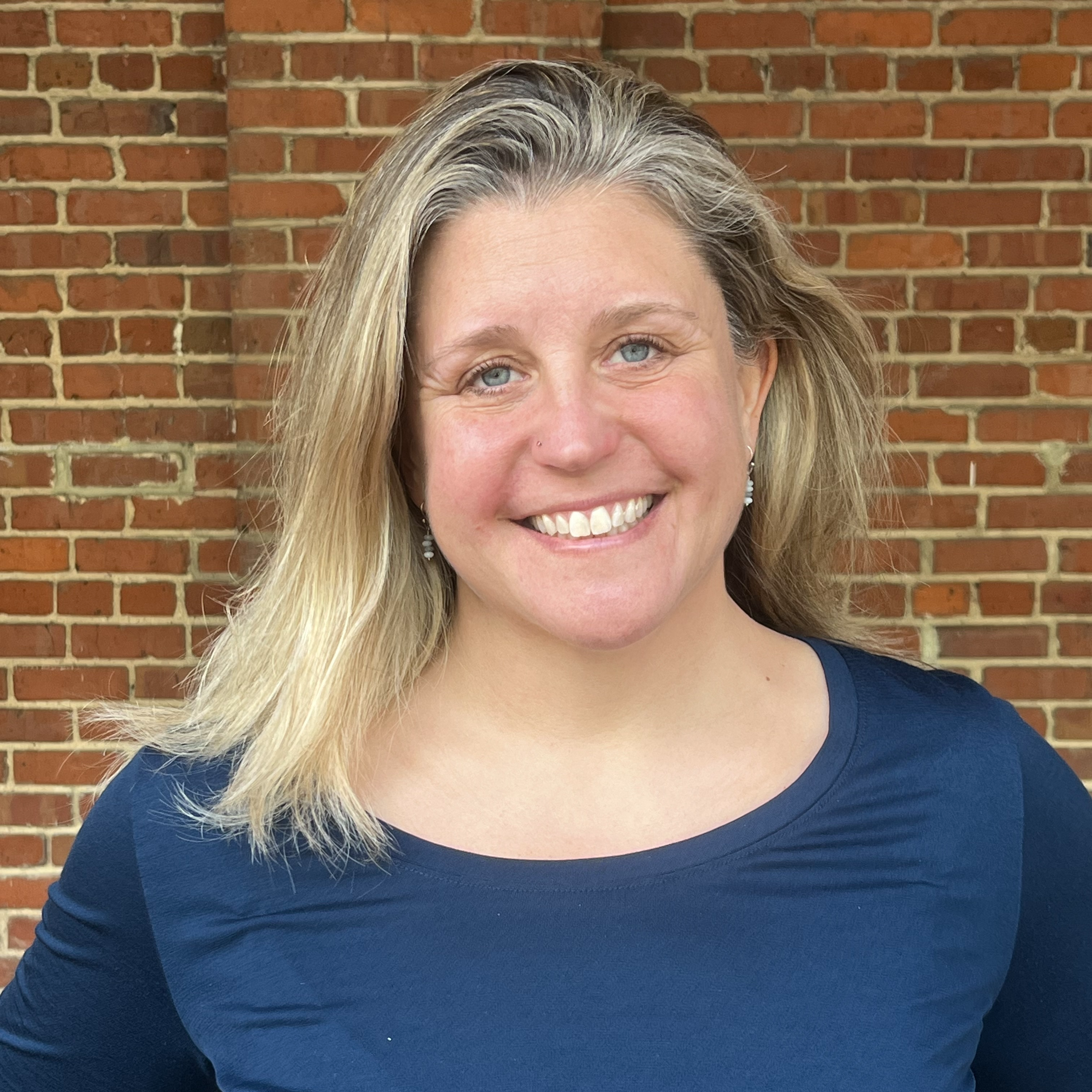
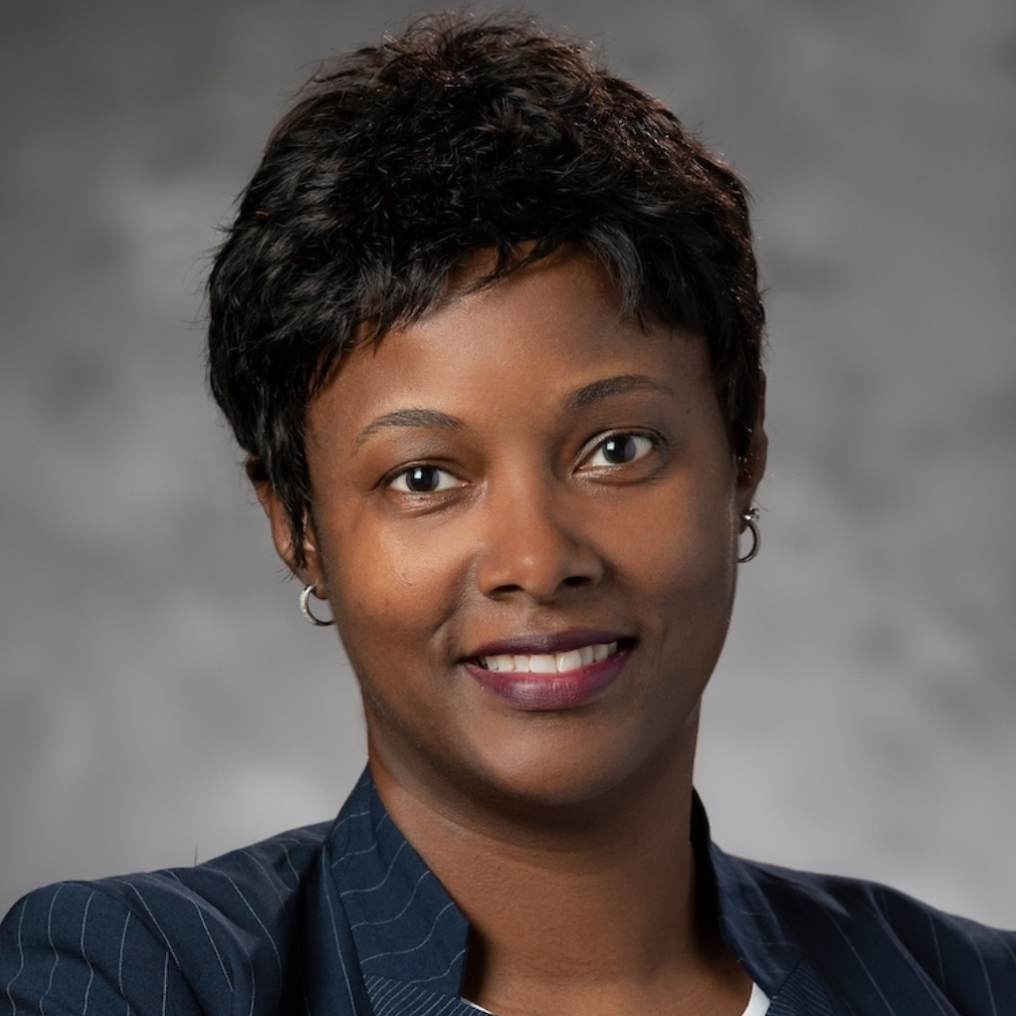
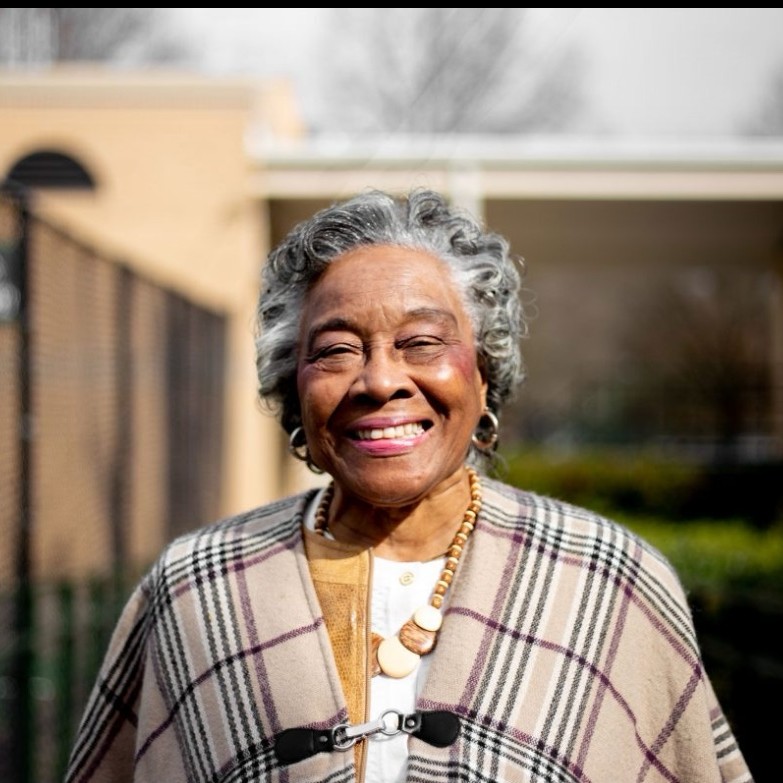
The session features oral histories of Mrs. Annie B. Hargett, and Mr. Dave Mason, Jr. Following grounding and framing, Mrs. Hargett and Mr. Mason will share their experiences and lived histories at Lincoln High School (LHS). Their oral histories confront us with the realities of systemic and racialized educational injustice. They also illuminate the professional expertise of their teachers and administrators, the brilliance and accomplishment of LHS students, the support and love they received from their families and community, and how these nurtured their flourishing. Finally, we consider the policy and practice-based consequences of over six decades of narrative injustice in the retelling of the history of desegregation.
The session will include opportunities for dialogue and conversation and will focus on actionable next steps for educators and schools to enact that draw from: 1) the professional expertise of the Black educators who nurtured them at Lincoln High School, and that connect to 2) culturally relevant pedagogy.
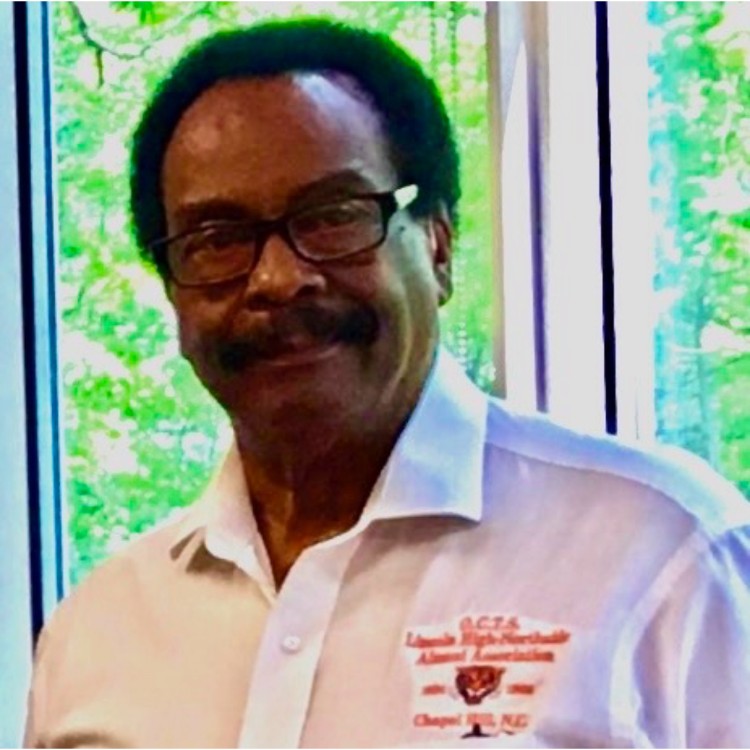

Through video clips, student voice, and small-group dialogue, participants will engage in analyzing how narratives can shift educator mindsets and drive institutional change. This work is situated in research on family engagement and culturally sustaining pedagogy, as well as practitioner experience designing professional learning that responds to current concerns about cultural disconnects, opportunity gaps, and educator preparation.
Takeaways - Participants will leave with practical strategies to:
- Design professional learning that uses community narratives as the foundation for goals and methods.
- Develop curricular resources co-authored with students and families, positioning personal histories as primary sources.
- Identify concrete entry points for embedding storytelling into curriculum, leadership, and PD structures.
By elevating voices too often marginalized, this session equips educators with tools to move beyond inspiration toward sustainable, equity-driven transformation.
Grounded in research on mirror neurons, literacy equity, and culturally sustaining pedagogy, this session offers practical strategies for guiding students to craft and share narratives that honor their lived experiences and those of their people. You’ll leave with a mentor text bank, student work samples, and tools for designing story-centered projects across content areas. No matter how you work with students, this session will help you center student stories not just as a learning strategy—but as a powerful act of preservation and liberation.
In today’s climate, education is often misunderstood or misrepresented, and teachers’ voices are more important than ever. Yet many educators, especially those from historically marginalized communities, carry “mediatic scars” from past encounters with reporters that left them feeling misquoted or sidelined. Others may feel intimidated about engaging with the media for the first time. This session is designed to help both groups step into the spotlight with confidence.
From Classroom to Camera: Speaking Truth to Media with Confidence equips educators with practical tools to walk into any media situation feeling prepared, grounded, and in control. Drawing on the presenter’s background as a reporter and storytelling coach, as well as insights from North Carolina education leaders she has trained, this interactive workshop blends insider knowledge of newsroom practices with strategies tailored for educators.
Participants will build confidence through hands-on activities where they can test out new approaches in real time. Along the way, we’ll explore how narrative power intersects with racial equity and why it’s essential for teachers of color in particular to see their voices represented accurately in public conversations.
During our time together, you’ll gain:
- A media prep checklist you can use right away.
- Tools to recognize and exercise your agency before, during, and after interviews.
- Strategies to ensure your words come through clearly and affirm the strengths of your students and communities.
Join us to claim your place in public discourse and help shape the story of education.
Through guided small-group discussions, participants will examine how recent policy changes shape classroom practice, share personal accounts of professional pressures, and reflect on which systemic challenges persisted despite the disruptions of the pandemic. Together, we will highlight the communities, practices, and sources of strength that fuel educators’ perseverance.
The session culminates in a reflection protocol designed to capture appreciation, insight, challenge, and direction. Participants will leave with a deeper understanding of the collective educator experience, renewed affirmation of their own journey, and at least one concrete next step to strengthen resilience and sustain commitment to students.
Participants in this session will explore real-world examples from Duke’s university-school partnerships and engage in interactive activities like lyric annotation and community asset mapping. These practices model how collaborative design can center student voice, foster engagement, and produce transformative educational experiences. Ultimately, this presentation challenges attendees to reimagine instructional design not as something done to students, but with them—in partnership and with purpose. It calls on educators to center student voices, connect learning to real life, and build stronger, more responsive school communities.
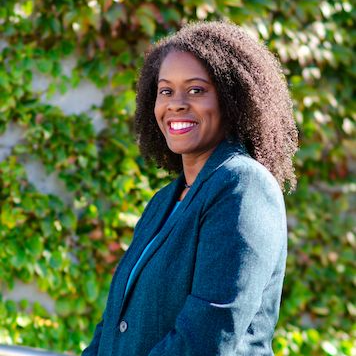
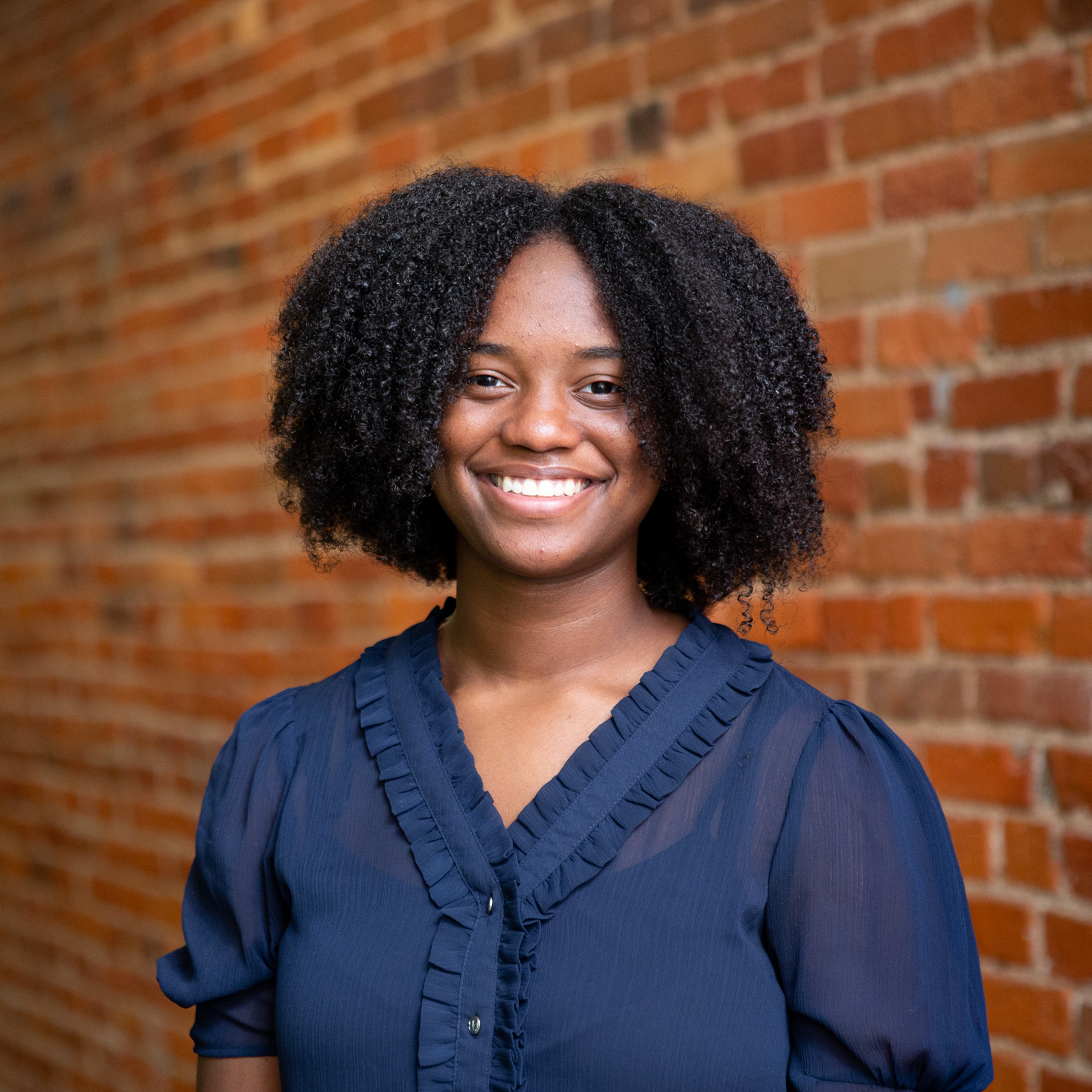

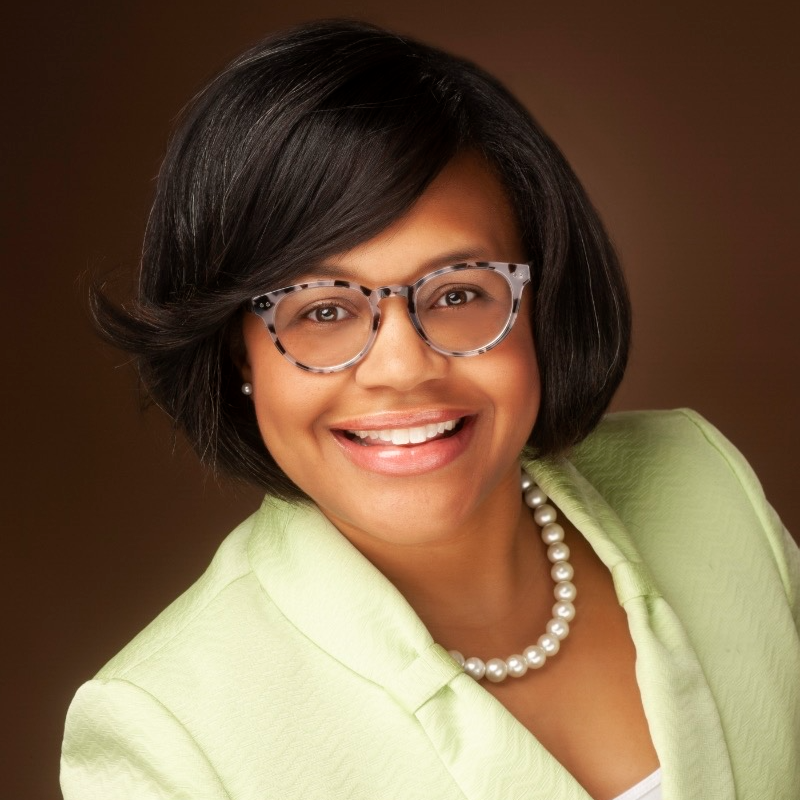

This session explores how storytelling can be a powerful tool for educator advocacy and collective voice. Rooted in the creation of the Longleaf Lessons podcast, participants will unpack how amplifying teacher perspectives can challenge systems of inequity, support retention, and reframe the narrative of what it means to teach in today’s schools. Through a mix of case study, technical walk-through, and live demonstration, the session highlights both the purpose and the practice of podcasting as a means of elevating voices too often left out of decision-making spaces.
Educators will leave with a clear understanding of how podcasts can serve as both reflective practice and public advocacy, and with practical knowledge of the podcasting process—from planning, recording, and editing to publishing and sharing with broader audiences. Lessons learned, such as centering the storyteller, embracing imperfection, and aligning each episode to a clear purpose, will offer guidance for anyone looking to bring this medium into their own context.
Takeaways:
- Recognize storytelling as a form of advocacy that can influence equity and justice in education.
- Identify factors driving teacher attrition and consider how elevating educator stories can inform retention strategies.
- Gain tools and confidence to design, launch, and sustain storytelling projects—whether through podcasts or other creative platforms.
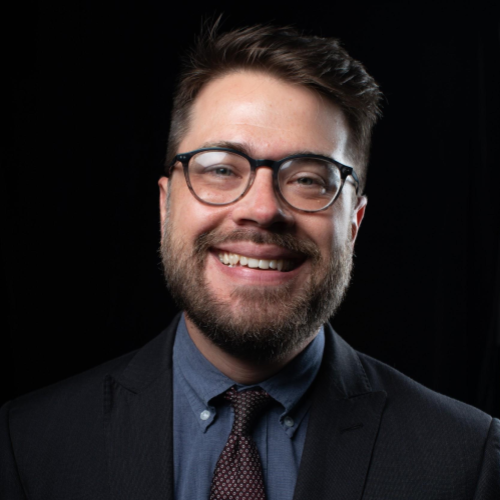

Aidan O'Donnell
Auggie Boachie
Copland Rudolph
Cori Greer-Banks
Desi Campbell
Jaelyn Felder
Jerolyn Brown
KaLa Keaton
Katrina Huffman
Tristan O' Donnell
Dr. Eve L. Ewing
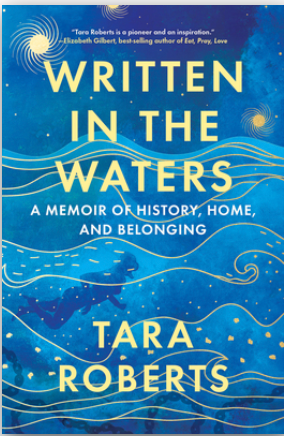
Tara Roberts
Tara spent the last six years following, diving with, and telling stories about Black scuba divers as they searched for and helped document slave shipwrecks around the world. Her journey was turned into an award-winning National Geographic-produced podcast called “Into the Depths” and featured in the March issue of National Geographic magazine. Tara became the first Black female explorer ever to be featured on the cover of Nat Geo. In 2022, Tara was named the Rolex National Geographic Explorer of the Year. Currently, she is an Explorer-in-Residence at the National Geographic Society. And her book Written in the Waters: A Memoir of History, Home and Belonging hits stands in January 2025.
Tara also worked as an editor for magazines like CosmoGirl, Essence, EBONY and Heart & Soul and edited several books for girls. She was a Fellow at the MIT Open Documentary Lab. She founded her own magazine for women who are ‘too bold for boundaries..' And Tara spent an amazing year backpacking around the world to find and tell stories about young women change agents. The journey led to the creation of a nonprofit that supported and funded their big ideas.
Dr. John B. King
Keisha Bentley-Edwards
Dr. Torri Staton
Callie Edwards
Carol Bono
Cherrel Miller Dyce
Christy Byrd
Crystal Hall

Cynthia Wooten
Danita Mason-Hogans
Danita Mason-Hogans is a native of Chapel Hill NC for seven generations of “movement people” on both sides of her family. She is a Public Memory Specialist, local historian and curriculum specialist who has been an education activist for over thirty years. She collaborates with today's activists and SNCC veterans at Duke for the Critical Oral Histories Component which she helped to adapt. Danita is a 2022/23 NEH fellow with the Oral History Association. She works with school systems, universities, activists and historians to document local and national history from the “inside out” and from the “bottom up”. Her current advocation is for a no cost education program and cost-free college tuition for the descendants of the enslaved laborers at UNC.
Local stories connect us to national struggle. Chapel Hill History from the inside out and bottom up.
Destiny Butler
Dr. Deanna Townsend-Smith
Dudley E. Flood
Dudley E. Flood was born and reared in Winton, North Carolina. Since 1970, Dr. Flood has lived in Raleigh, North Carolina.
He began his career as a teacher of math, science and English at the eighth grade level. He later taught high school social studies and coached high school basketball and football. He served for three years as principal of a school covering grades 1 - 12 before joining the North Carolina Department of Public Instruction as a specialist in school desegregation and race relations.
During his 21 years of service with the Department of Public Instruction, he earned promotions first to Assistant and then Associate State Superintendent. After retiring from Public Instruction on December 31, 1990, he served for 5 years and 3 months as Executive Director of the North Carolina Association of School Administrators. Since April 1996, he has been a lecturer and consultant to groups throughout the country and abroad.
He has been a Visiting Professor at Meredith College and at the University of North Carolina at Wilmington, and has taught in the Principals Executive Program at the University of North Carolina.
He earned the bachelor’s degree from North Carolina Central University, the master’s degree in educational administration from East Carolina University and the doctorate degree in the same field from Duke University. He has studied further at Elizabeth City State University, the University of North Carolina at Chapel Hill and Hampton University.
Dr. Flood has spoken in all 100 of North Carolina's counties. Also, he has spoken or conducted workshops in 48 of the 50 United States, in Bermuda, the District of Columbia, Canada, and Germany. His writings have been published in more than 25 journals and he has authored three books.
He has received more than 350 awards for civic service. He has been presented the Order of the Longleaf Pine Award (North Carolina's highest civic award), by three different Governors; Governor James G. Martin, Governor James B. Hunt, Jr., and Governor Mike Easley. He has received the Outstanding Alumni Award from both North Carolina Central University and East Carolina University, and has received the Doctorate of Humane Letters from both North Carolina Central University and the University of North Carolina in Asheville.
He served for twelve years on the Board of Governors of the University of North Carolina. He currently serves on the N. C. Minority Cancer Awareness Action Team; the Public School Forum of North Carolina Board; the Wake Education Partnership Leadership Council; the UNC Press Advancement Council and on several other boards and committees. He is a member of Phi Beta Sigma Fraternity and of Sigma Pi Phi Fraternity. He is also a member of Martin Street Baptist Church in Raleigh where he serves as Sunday School Teacher. For fifty-five years, he was married to the late Barbara Thomas Flood whose inspiration he credits with any success that he has experienced.
Heidi Perez
Ike Smith
Ike Smith is an Instructional Coach who engages teachers in reflection and growth through intentional questioning and collaboration. He believes public education is fundamental to an equitable, democratic society and that supporting beginning teachers is fundamental to preserving public education. Ike taught high school English and now teaches future teachers. He has received awards for teaching at both the high school and college levels, and he was a member of the 2020-2021 Education Policy Fellowship Program (EPFP).
Jeanna Hawkins
Jennifer Mann
Kaleb Rashad
Keiyonna Dubashi
Kennedy Lytle
Kimberly Jones
Kimberly S. Jones, the 2023-24 Burroughs Wellcome Fund NC Teacher of the Year, is a high school English and humanities educator at Chapel Hill High School with nearly 20 years of experience. She teaches World Literature, Holocaust and Human Rights Studies, and AP African American Studies, sparking critical conversations about history, identity, and justice. A Regional Site Director for The Olga Lengyel Institute, an Expert Practitioner for the Dudley Flood Center, and a consultant for PBS, she designs culturally relevant lessons that inspire action. Recognized by Governors Roy Cooper and Josh Stein, as well as the NC African American Heritage Commission and others, Kimberly is a voice for equity whose work combines scholarship, advocacy, and creativity to transform lives and policy.
Kisha Daniels
Kristi Williams
Laura Cox
Lesa King Bullins
Leslie Babinski
Lori Krzeszewski
Maru Gonzalez
Mary Thuma
Matt Scialdone
Michael Kokozos
Mr. David (Dave) Mason
Mrs. Annie B. Hargett
Natalia Mejia
Natalia Mejia is the NCCAT 2023 Empower NC Beginning Teacher of the Year. She entered education to increase diversity among teachers and currently teaches ML students at CC Griffin Middle School. An alum of UNC Charlotte’s Honors in Education program and the Cato College of Education, she recently earned a Master’s in Latin American Studies, focusing on ethnic studies and policy. Natalia has studied abroad in South Africa and Germany, shaping her philosophy rooted in Ubuntu and In Lak’ech. She serves as a Commissioner for VolunteerNC, was a Learning Happens Here Ambassador, works with the Public School Forum, and co-founded 49ers for Puerto Rico and Knit-Together Prana.
Nicole Price
Nikki Hinostro
Paige Laurain
Dr. Marlene Harrison Reid
Patricia Hilliard
Raketa Ouedraogo-Thomas
Samantha Rummage-Massey
Selena Collins
Shafantae Desinord
Shannon Hardy
Shannon Russell Hardy teaches 8th/9th grade Math I & II and holds multiple certifications, National Boards, and an M.Ed. in Educational Leadership. She co-founded the Wake County Truth and Reconciliation Committee and engages students in projects addressing racism, segregation, and environmental justice. Her students’ work has been recognized internationally, including by Pope Francis. Hardy has been featured in Worldwise Learning and Open Windows, Open Minds and continues to design opportunities for students to lead with curiosity, justice, and global awareness.
Simona Goldin
Dr. Simona Goldin is a Research Associate Professor of Public Policy at the University of North Carolina. She had a Ph.D. in Educational Studies and a master’s degree in management and urban policy analysis. Her research and scholarship consider efforts to transform the preparation of beginning teachers to teach in more racially just and equitable ways. Her most recent work has looked carefully at the ways that innovations are weaponized against the very communities they are meant to support. Goldin serves as co-chair of the Equity in Schools Project Team on the UNC Commission on History, Race, and a Way Forward.
Tashaima Person
Terrance Ruth
Tiana Pitts
Vianna Fornville
William Jackson
Xavier Adams
Xavier Adams is the NCCAT 2022 Prudential NC Beginning Teacher of the Year. Known to his students as Mr. Xavier, Xavier teaches at Orange High School in Hillsborough, North Carolina, where he teaches World History, Honors African American Studies, and Honors Latin American Studies. Xavier holds two master's degrees from Duke University: a Master's in Theological Studies and a Master of Arts in Teaching. Before becoming a teacher, Xavier worked with young people in both religious and non-profit settings in Texas and North Carolina. He ultimately decided to become a teacher because of the impact that he saw that teachers could have on a student’s life by daily showing up with care and high expectations. At the center of Xavier’s pedagogical approach to history is the question: how did the victories and failures of the past create the world that we live in today.
*Photo Credit - Terri Clark Photography

Peter & Sandra Conway

Burroughs Wellcome Fund

Corning

NC Association of Educators (NCAE)

UNC School of Education

TowneBank

Education Policy Initiative at Carolina
ETS

EdNC
Kenan Fellows Program for Teacher Leadership
UNC Greensboro School of Education
UNC Greensboro Department of Educational Leadership & Cultural Foundations

Wake Forest University School of Education

First NC
STEM Educators for Equity and Diversity Fellowship

FLYLEAF BOOKS - Exclusive Bookstore Partner
Public Schools First NC
Nehemiah Community Empowerment Center and FIRST North Carolina
Profound Gentlemen
WE ARE (working to extend anti-racist education, Inc)
North Carolina Association of Educators
The Poe Center for Health Education
New Teacher Center
Center for Racial Equity in Education (CREED)

Align and Design Consulting LLC
Forum's Local Ambassador Coalition
Community Conversations
STEM Educators for Equity and Diversity Fellowship
 Oh snap!
 Nice!
Nice!
 Warning:
 Edit mode: